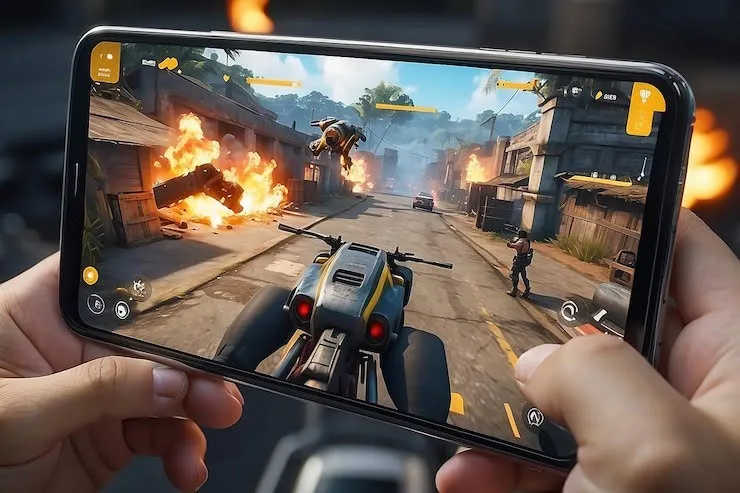
The mobile gaming market continues to expand rapidly, attracting billions of players worldwide. From casual puzzle apps to advanced multiplayer experiences, developers now have access to more powerful tools than ever before. Choosing the right development platform plays a major role in creating engaging, high-performing games efficiently.
In 2026, game engines are more advanced than ever, offering better graphics, AI integration, cross-platform support, and streamlined workflows. This guide explores the Best Game Engines for mobile games in 2026 and helps developers choose the right platform for their projects.
Why the Right Development Platform Matters
A development engine acts as the backbone of any interactive experience. It manages graphics rendering, physics, animations, audio, and deployment across devices. Selecting the right option can save time, improve performance, and simplify production.
Before making a choice, developers should evaluate:
- Performance optimization
- Ease of learning
- Multi-platform support
- Community and documentation
- Monetization options
- Visual quality
- Pricing and licensing
Let’s explore the leading game engines dominating Mobile Game Development in 2026.
1. Unity
Unity continues to dominate the market due to its flexibility and massive developer ecosystem. It supports both 2D and 3D production and provides extensive tools for teams of all sizes.
Key Features
- Deployment support for Android and iOS
- Strong 2D and 3D workflows
- Large asset marketplace
- AR and VR compatibility
- AI-assisted production tools
- Casual titles
- Multiplayer experiences
- Augmented reality apps
- Independent studios
Its balance of usability and advanced features keeps it among the most reliable choices available today.
2. Unreal Engine 5
Unreal Engine 5 has established itself as a powerhouse for high-end Mobile Gaming Experiences. Its advanced graphics technology enables developers to create visually stunning games that rival console-quality titles.
Key Features
- Nanite virtualized geometry
- Lumen lighting technology
- Blueprint visual scripting
- Real-time rendering tools
- Multiplayer networking support
- Premium-quality productions
- Open-world experiences
- Competitive online titles
- Visually intensive projects
Although it has a steeper learning curve, the visual results are impressive for ambitious teams.
3. Godot
Godot has gained popularity because of its open-source approach and lightweight design. It provides a flexible environment suitable for smaller teams and independent creators.
Key Features
- Free and open-source structure
- Lightweight architecture
- Beginner-friendly scripting
- Excellent 2D capabilities
- Active developer community
- Indie creators
- 2D projects
- Educational use
- Budget-friendly development
Its accessibility and rapid growth make it a strong alternative for many developers.
4. Cocos Creator
Cocos Creator continues to be a leading choice for mobile-first Game Development, especially in Asian markets. Its lightweight framework and excellent performance make it ideal for mobile gaming.
Key Features
- Fast rendering performance
- Lightweight runtime system
- Excellent 2D support
- JavaScript and TypeScript compatibility
- Easy deployment process
- Casual entertainment apps
- Hyper-casual experiences
- Lightweight projects
- Web-mobile integration
Teams seeking quick production cycles often choose this platform for efficiency.
5. GameMaker
GameMaker is widely used for creating simple and engaging 2D experiences. Its user-friendly workflow allows developers to prototype and publish projects quickly.
Key Features
- Drag-and-drop tools
- Built-in scripting support
- Rapid prototyping features
- Mobile publishing capabilities
- Easy-to-use interface
- Indie projects
- Puzzle and platform games
- Solo developers
- Fast production schedules
It remains a practical solution for creators with limited coding experience.
Industry Trends Shaping Development in 2026
AI-Powered Workflows
Artificial intelligence is transforming production pipelines by automating testing, generating assets, improving optimization, and assisting with content creation.
Better Cross-Platform Support
Studios increasingly want experiences that work across mobile, PC, console, and cloud platforms. Many modern tools now support seamless deployment between devices.
Improved Visual Performance
As smartphone hardware becomes more advanced, developers can deliver richer graphics and smoother gameplay experiences than ever before.
Cloud Collaboration
Remote production tools continue to improve teamwork, allowing distributed teams to collaborate efficiently from anywhere in the world.
Which Platform Is Right for You?
The best game engine depends on your project goals and development experience:
| Game Engine | Best Use Case |
| Unity | Versatile mobile game development |
| Unreal Engine 5 | High-end graphics and AAA titles |
| Godot | Open-source and indie projects |
| Cocos Creator | Mobile-first and casual games |
| GameMaker | Simple 2D game development |
For most mobile game developers in 2026, Unity offers the best balance of performance, flexibility, and community support. However, studios focused on premium graphics may prefer Unreal Engine, while indie developers often benefit from Godot’s open-source ecosystem.
Why Choose Team of Keys?
Team of Keys delivers innovative mobile game development solutions tailored to modern gaming trends. With expertise in Unity, Unreal Engine, and cross-platform technologies, the team creates engaging, high-performance gaming experiences for startups and enterprises alike. Their focus on creativity, optimization, scalability, and timely delivery helps clients turn game ideas into successful digital products.
Final Thoughts
Mobile entertainment continues to evolve quickly, and selecting the right platform can greatly influence the success of a project. Unity, Unreal Engine 5, Godot, Cocos Creator, and GameMaker each offer distinct advantages depending on production goals and team expertise. As AI integration, cloud collaboration, and hardware capabilities continue to improve, developers will gain even more opportunities to create engaging experiences for players worldwide. Whether building a casual title or a visually advanced multiplayer project, choosing the right technology stack in 2026 can streamline development and improve the final product.