(Design)
Design services from people who have to build it afterwards
Design services split three ways here: the interfaces people use every day, the 3D craft behind products and worlds, and the brand that holds both together. Engineering sits in the same studio.
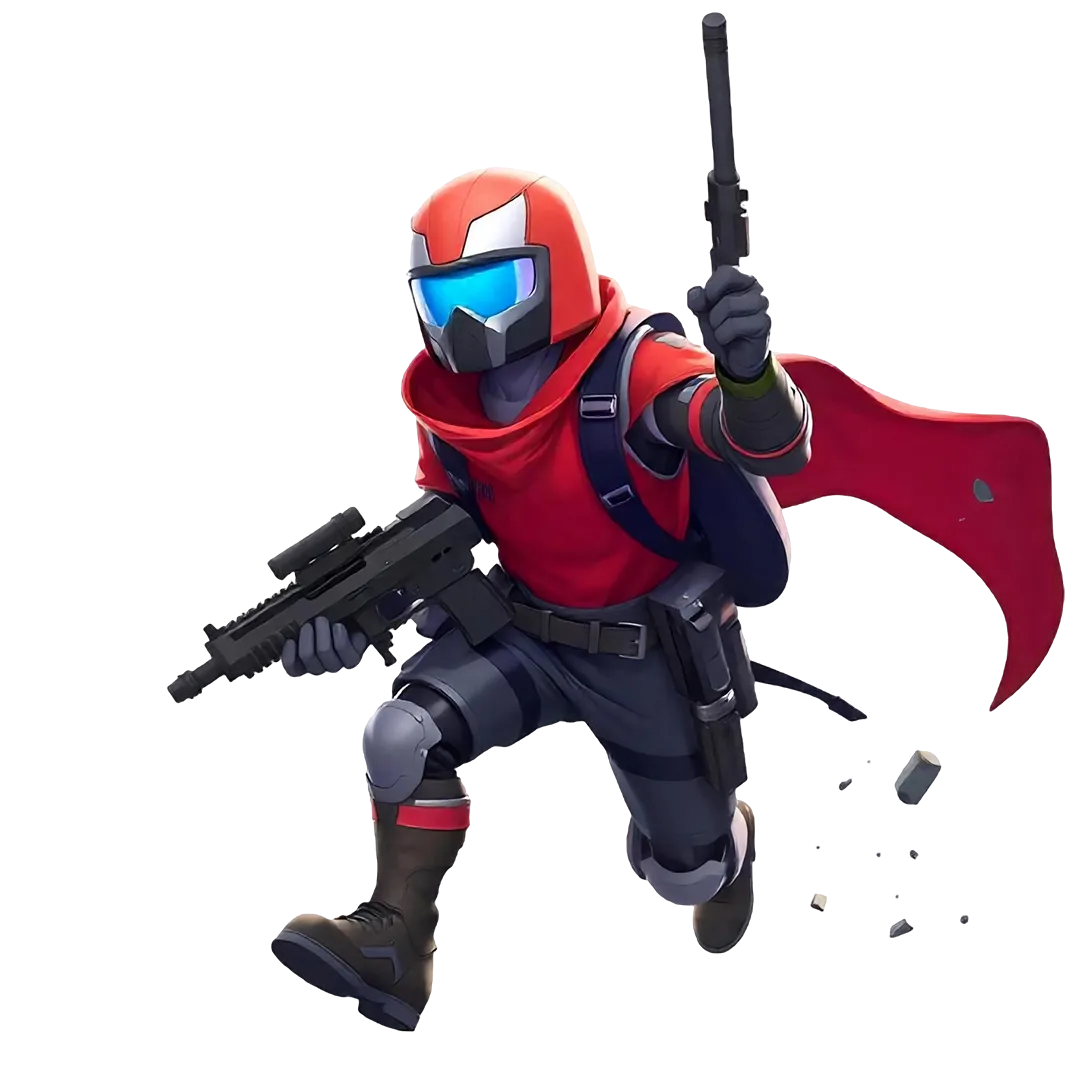
(Why design sits next to engineering)
A design that cannot be built on the stack you already own is a pitch, not a deliverable. Our designers sit beside the engineers who will implement the screens, so component states, empty states, error copy and loading behaviour get decided while they are still cheap. The handover is a working system rather than a folder of images.
That proximity also cuts the reviewing cycle. Questions about whether a pattern is feasible on your stack get answered the same afternoon, rather than waiting for the next sprint planning call to turn into an argument.
(Services)
Three practices, one studio

(What we deliver)
What our design services cover
Three named practices, plus the work that sits between them. Any of these can run on its own or as part of a build.
-
Research, flows, wireframes and finished screens for apps, portals and internal tools. This is the largest practice and has its own page covering process, accessibility and handover in detail.
-
Components, tokens and rules built once so a team of engineers produces a consistent interface without asking a designer every time. Delivered as a Figma library and the matching front-end components, kept in step by shared tokens.
-
Characters, props, environments and optimised real-time assets, covered in full on our 3D art and design page. One modelling and texturing pipeline serves games, product visualisation and training simulations, which keeps budgets sensible when a client needs two of the three.
-
Names, marks, typography, colour and the guidelines that stop it drifting. Our branding page carries the detail. Brand work and interface work are sequenced together when both are in scope, so neither gets retrofitted.
-
Transitions, micro-interactions and the timing that makes an interface feel deliberate. Specified as tokens and Lottie or Rive files engineers can drop in, with a reduced-motion variant defined at the same time.
-
A structured critique of a product that works but feels awkward: heuristic review, accessibility check, an inventory of how many button variants really exist, and a prioritised list of fixes ordered by effort against effect.
(How we work)
How a design engagement runs
Five phases rather than the studio’s six build phases. Each ends with something you can show to somebody who was not in the room.
-
01
Brief and constraints
What the product must do, who uses it, what the stack allows and what the brand already commits to. Constraints gathered now are the difference between a direction that ships and one that gets argued about.
-
02
Research
Interviews with real users where they exist, a review of support tickets and analytics where they do not, and a look at what competitors have trained your audience to expect.
-
03
Direction
Two or three genuinely different directions, shown on real screens rather than mood boards. You pick one, we explain the trade-offs of each, and the rejected work stays yours.
-
04
Craft
The chosen direction taken to production quality: every state, every breakpoint, the awkward screens nobody demos. This is the longest phase and the one that decides whether the build goes smoothly.
-
05
Handover and care
A Figma library, exported tokens, annotated specifications and a working session with the engineers. Afterwards, a retainer for the screens that appear once the product is live.
(Why Team of Keys)
What you get from a design studio attached to a delivery team
Plenty of agencies produce beautiful files. The difference shows up in the eight weeks after the files are handed over.
-
01
Feasibility checked as we go
An engineer reviews the direction before it is finished. Patterns that would cost a fortnight to implement get flagged while changing them is still a morning of work.
-
02
Every state, not just the happy one
Empty, loading, error, permission-denied and too-much-data screens are designed. Left undefined, they get invented by whoever builds them at five o’clock on a Friday.
-
03
Accessibility as a default setting
Contrast, focus order, target size and keyboard paths are checked against WCAG 2.2 as a working practice through the design, not audited at the end when the palette is already signed off.
-
04
Files your next designer can open
Named layers, real components, documented tokens. Whether the next person is ours or yours, they should not need an introduction from us to make a change.
-
05
Your files, from day one
The Figma organisation, fonts and asset licences are in your name. Design work should never be the reason it is awkward to change supplier.
(FAQ)
Questions, answered
Interface design is usually priced per phase against an agreed screen count — a focused product with twenty or thirty screens is a very different figure from a platform with role-based variants. Brand and 3D work are quoted separately because their outputs differ. Discovery is a small fixed price and settles the scope before anything else.
Yes, and we design it accordingly. The handover includes a component library, exported tokens, annotated behaviour and a session with the implementing engineers. We will also review the built result against the designs and give you a written list of differences if that helps.
If more than two people build screens, or the product will live for years, almost certainly. For a single short-lived marketing site it is overhead. A lighter answer — a shared set of tokens and a dozen components — covers most mid-sized products without the cost of a full system.
Both are existing practices with their own pages. The 3D team handles characters, environments and real-time assets for games, visualisation and simulation. The branding team covers identity, typography and guidelines. When a project needs several of these, they run as one engagement with one point of contact.
Research when it will change a decision. That may mean six user interviews, or it may mean reading a year of support tickets and running one usability test on the prototype. What we avoid is a research phase that produces a deck nobody references once the design starts.
(Global presence)
Nine countries, one studio behind them.
Every project is designed, built and shipped from one studio.
Turn the globe, or pick a country to see what we deliver there.
NoidaDrag to turn
Studio · Noida, India · --:--
(Next step)
Show us the screens people complain about
Send a link, a login or a screenshot. You get a short critique with the three changes that would make the most difference, before any proposal.
START