(Emerging technology)
Emerging technology that has to survive contact with production
Emerging technology earns its place when an ordinary database and web app genuinely cannot do the job. We build connected devices, ledger-backed systems, immersive worlds and the sustainability reporting regulators now ask for.

(Where the novelty ends)
Projects in this group rarely fail on the clever part. They fail on a device fleet nobody can update, a contract that cannot be changed once it is deployed, or a carbon figure an auditor will not sign off. The plumbing around the idea is the real engagement: provisioning, keys, monitoring, evidence and a migration path.
Each of these starts with the same question — would a conventional stack do this for less? Sometimes it would, and you will hear that during discovery rather than after the build.
(Services)
The kinds of work in this group
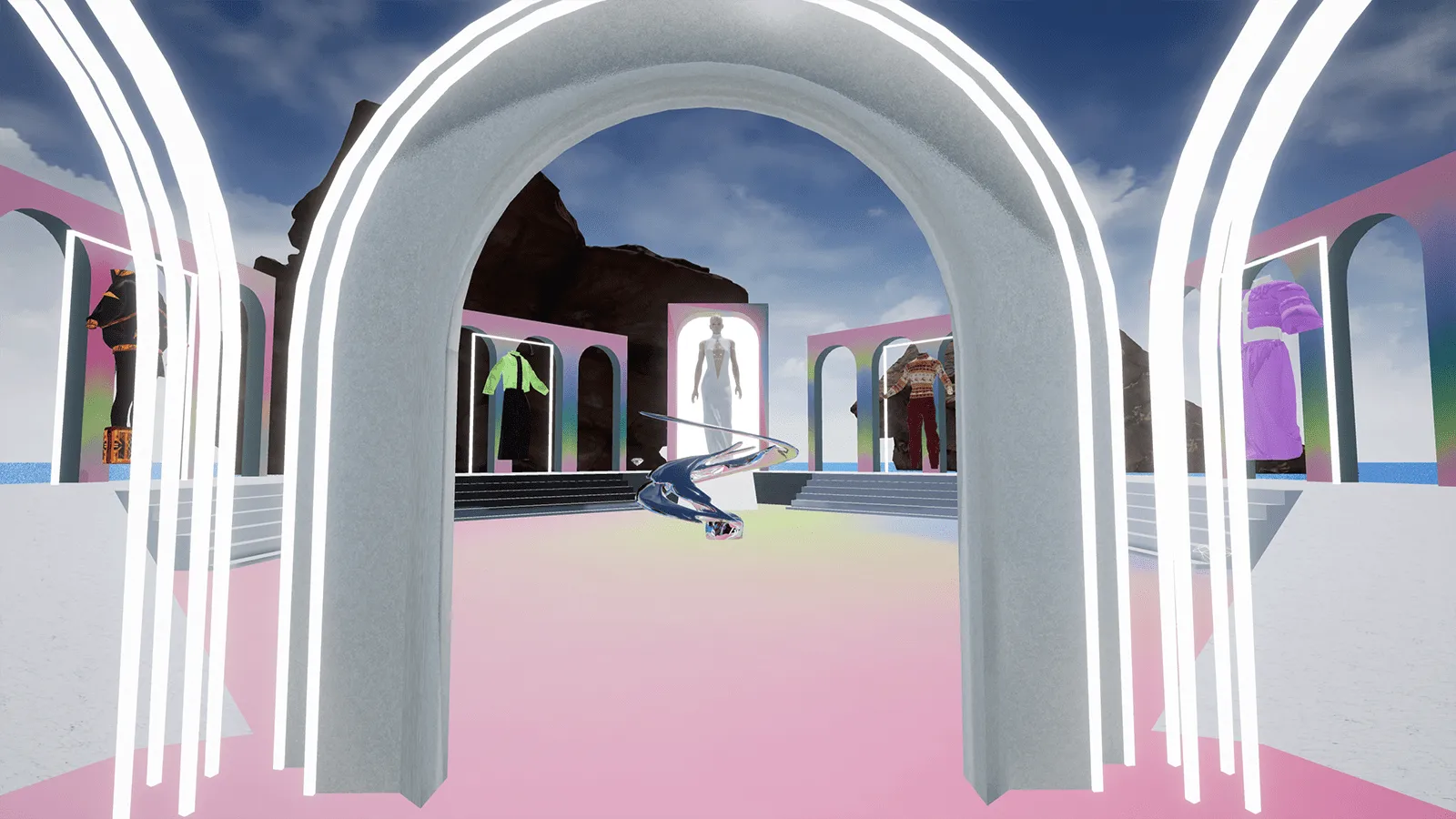
- 01 Blockchain, NFTs & metaverse Blockchain development: smart contracts on EVM chains, wallets and custody, tokens and…
- 02 Internet of Things IoT development covering firmware, gateways, MQTT and LoRaWAN connectivity, over-the-air…
- 03 Sustainability & ESG ESG software: emissions and energy data collection, supplier questionnaires, reporting to…

(What we deliver)
What emerging technology work looks like here
Four service lines, plus the two immersive practices that already had a home on this site. Each is scoped and priced on its own.
-
Firmware, gateways, telemetry and the management plane behind them. The part clients underestimate is day two: pushing an update to ten thousand units in the field without bricking the ones on a weak signal.
-
Smart contracts on EVM chains, wallet integration, custody decisions and the off-chain services that make any of it usable. Written and tested on the assumption that deployed code is very hard to correct.
-
Meter readings, fuel logs, travel bookings and supplier questionnaires turned into figures with a method behind them. Every number keeps a trail back to the source document that produced it.
-
Headset and handheld experiences for training, product configuration and site walkthroughs, covered on our AR and VR page. Same engine skills as the game work, aimed at a different outcome.
-
Unity and Unreal used for what they are good at: physics, rendering, networked state and simulation. The game development page covers titles; this group borrows the same toolchain for industrial and training work.
-
A proof of concept is cheap until someone asks to put customers on it. Ours are built with real identity, real logging and a stated list of what has been deliberately left out.
(How we work)
How the work runs
Every engagement is scoped in phases, priced per phase, and reviewed with you at the end of each one.
-
01
Discovery
We map the problem, the systems around it and what a good outcome looks like, then scope the work in phases you can stop after.
-
02
Design
Flows, architecture and interfaces agreed before anyone writes production code.
-
03
Build
Two-week increments, a working environment you can open, and a demo at the end of each one.
-
04
Testing
Functional, performance, security and accessibility checks run through the build, not bolted on at the end.
-
05
Launch
Deployment, monitoring, documentation and the handover your team needs to run it.
-
06
Support
Fixes, updates and the next set of features, at an agreed monthly capacity.
(Why Team of Keys)
How we keep a pilot from becoming an orphan
The failure mode in this group is not a bad demo. It is a working demo that nobody can operate, extend or hand to a different supplier.
-
01
A boring answer is still an answer
If a queue and a relational database do the job, that is what we will recommend. Discovery is priced so that hearing "you do not need this" still leaves you with something useful.
-
02
Operations designed first
Updates, key rotation, monitoring and support access are decided before the build, because retrofitting them into a shipped device or a deployed contract costs far more than including them.
-
03
One team across disciplines
Firmware, cloud, contracts and interface sit in the same studio. Nobody waits a fortnight for a subcontractor to explain why the gateway drops packets at dusk.
-
04
Evidence over enthusiasm
Claims made to regulators, auditors or customers are traceable to data we can show you. Nothing in this group is worth much if the numbers behind it cannot be defended.
-
05
Exit ramps at every phase
Repositories, cloud accounts, device certificates and contract addresses live under your control from the start. Changing supplier should be a decision, not an escape.
(FAQ)
Questions, answered
Discovery is a small fixed price and takes one to three weeks. After that, cost tracks how much of the system is new: a dashboard over existing meter data is modest, while a connected product with custom firmware, a cloud platform and field updates is a multi-phase programme. You get a price per phase before any build begins.
Often not, and we will tell you. Blockchain earns its keep when several parties who do not trust each other must agree on one record. IoT earns it when the data only exists in the physical world. If neither is true, a conventional application is cheaper to build and much cheaper to run.
Yes. Most of this work arrives that way. We review the code, the hardware choices and the hosting, then give you a written opinion on what is worth keeping. Sometimes the answer is to keep the idea and rewrite the implementation, and we will say which parts and why.
They share a toolchain. The same engineers who build a game loop in Unity build a training simulation or a factory digital twin. Our AR and VR page covers headset and mobile experiences; the game development page covers titles and live operations. This group covers everything else that is early-stage.
You do. Schematics, firmware, repositories, contract source and cloud accounts are created in your name and stay there. Deployed contract addresses and device certificate authorities are registered to your organisation, not ours, so nothing important is locked to a supplier relationship.
(Global presence)
Nine countries, one studio behind them.
Every project is designed, built and shipped from one studio.
Turn the globe, or pick a country to see what we deliver there.
NoidaDrag to turn
Studio · Noida, India · --:--
(Next step)
Tell us what the pilot has to prove
Send the idea, the constraint and whatever exists already — hardware, contracts, spreadsheets. You get an honest read on whether it needs this group at all.
START