When it comes to creating video games, two important roles often get confused: game art and game design. While both are essential to building a great PC for a gaming experience, they are very different in what they do. Let’s break it down in a way that’s simple and easy to understand.
What is Game Design?
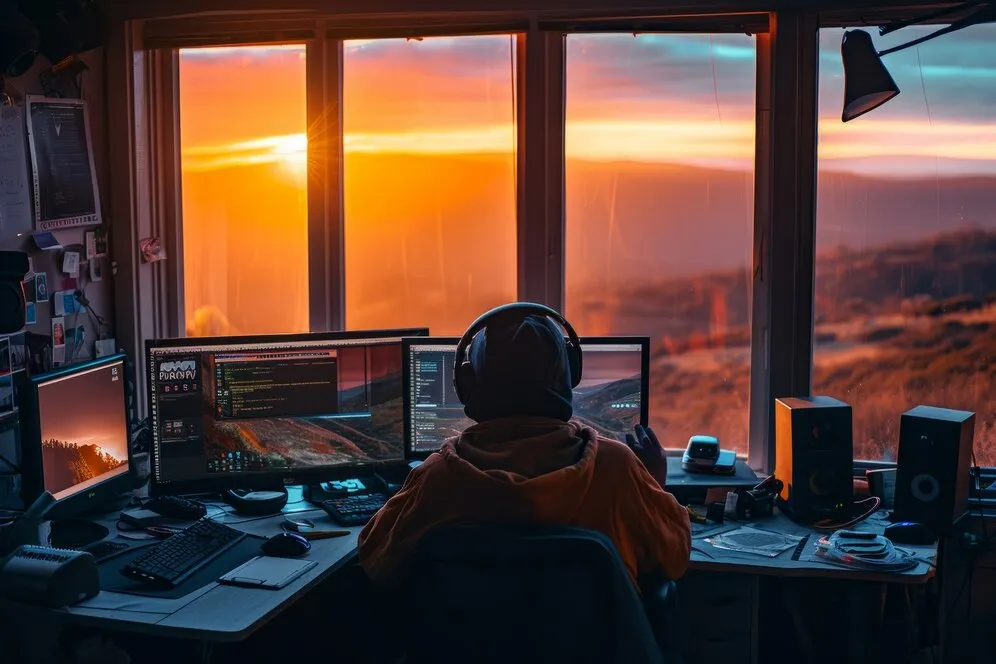
It is all about how it works. The rules, levels, difficulties, and other elements that make it fun to play are all designed by designers. The “gaming experience” is something they design from the ground up.
Key Responsibilities:
- Designing Gameplay Mechanics: How does it work? What can the player do?
- Level Design: Planning how each level looks, feels, and progresses.
- Balancing: Making sure it is fair, fun, and challenging.
- Story Integration: Assisting authors to ensure that playability and narrative coexist.
- Player Psychology: Understanding how players think and keeping them engaged.
Designers are like architects. They plan out the game design, test it, improve it, and work closely with artists, programmers, and other team members.
What is Game Art?
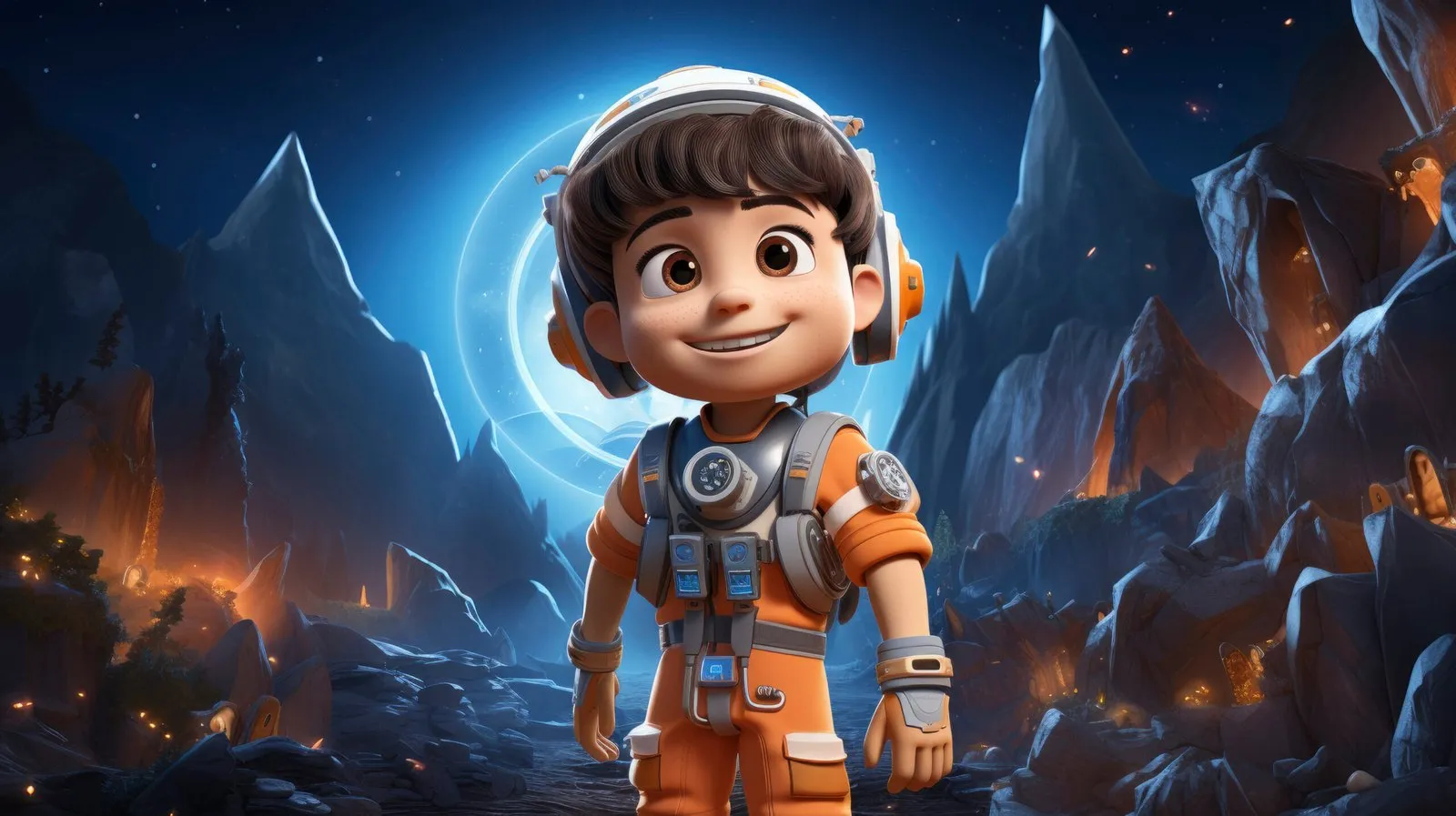
It is about how it looks. Artists produce characters, settings, objects, and animations, as well as effects, and are seen by players.
Key Areas:
- Concept Art: Initial drawings as well as mood boards that inform the final design.
- 3D Modeling: Turning 2D designs into 3D models used in it.
- Texturing: Adding realistic or stylized surface details to 3D models.
- Animation: Making characters and objects move.
- UI/UX design: Making buttons, menus, & layouts that players can interact with.
They use tools like Photoshop, Blender, Maya, and gaming engines (like Unity or Unreal) to bring the gaming visuals to life.
Game Design vs. Game Art: The Main Differences
| Feature | Game Design | Game Art |
| Focus | How it plays | How it looks |
| Main Goal | Create fun, balanced playability | Create visually appealing and immersive art |
| Tools Used | Unity, Unreal, flowcharts, spreadsheets | Photoshop, Blender, Maya, Substance Painter |
| Output | Mechanics, rules, and level layout | Characters, environments, and animations |
| Skills Needed | Problem-solving, creativity, logic | Drawing, modeling, creativity, and detail focus |
| Teamwork With | Programmers, artists, writers | Designers, animators, developers |
How Designers and Artists Work Together
Though they have different roles, designers and artists must work as a team.
For example:
- A designer might imagine a powerful boss fight with special moves and abilities.
- An artist then creates the boss character, animations, and effects to match the design.
This teamwork ensures it feels good to play and looks amazing. If they don’t work well together, the playability might feel off, or the visuals might not match the action.
Which Career is Right for You?
- Basically, if you are an artist talent, prefer the visual medium, and are interested in the microcomponents of creating it, then being an artist might be the profession you have been seeking. Instead, when your skill set of creativity and web design is wide and you are delighted by the macro aspect of its design, then you might consider becoming a designer as your career choice.
What You’ll Need:
For Gaming Design:
- Learn gaming engines like Unity or Unreal.
- Practice making prototypes and designing mechanics.
- Build a portfolio that shows your ideas and projects.
For Gaming Art:
- Master drawing, digital painting, or 3D modeling.
- Use software like Photoshop, Maya, Blender, or ZBrush.
- Build a strong art portfolio to showcase your work.
Both fields offer exciting careers with lots of growth and creativity. Choose the one that fits your passion and strengths.
Final Thoughts
Game art and game design are both essential to making great games, but they’re not the same thing. Designers shape the way it functions and feels. And artists shape how it looks and comes to life visually. Understanding the difference helps you choose the right career path in the gaming world. If you are looking for a game development company that provides both services, then Team of Keys is the perfect choice. Whether you want to create stunning visuals or design an unforgettable experience, there’s a place for you in this industry.