By 2026, the world of gaming has undergone an immense change due to the latest developments in the field of Artificial Intelligence, virtual technologies, cross-platform experiences, and the evolution of player needs. From gaming consoles and PC games to the whole world of entertainment, gaming has developed far beyond just being a hobby. Being aware of the latest Gaming Trends 2026 is absolutely necessary for game developers, companies, publishers, and gamers who wish to stay ahead of other players in the ever-changing world of gaming. This guide will tell you about the most important trends that will shape the world of gaming in the near future.
The Evolution of Gaming from Traditional to Digital Experience
The gaming market has gone through many changes in the last several decades. Arcade and home consoles brought interactive entertainment to the masses, and the rise of the personal computer and Internet enabled multiplayer games to be played online. Today’s technology is very advanced, whereby the capability of hardware, software, and digital platforms makes gaming easier and more available than ever before.
Gaming has not remained limited to recreation only in today’s age. There are social places, competitive grounds, creation zones, and storytelling games. But the advancement of mobile technology has brought the gaming experience to a larger audience. Moreover, cloud computing and cross-platforming enable users to play the game on different platforms. They set the stage for the gaming trends that are set to take center stage in 2026.
AI-Powered Game Development and Smarter Gameplay
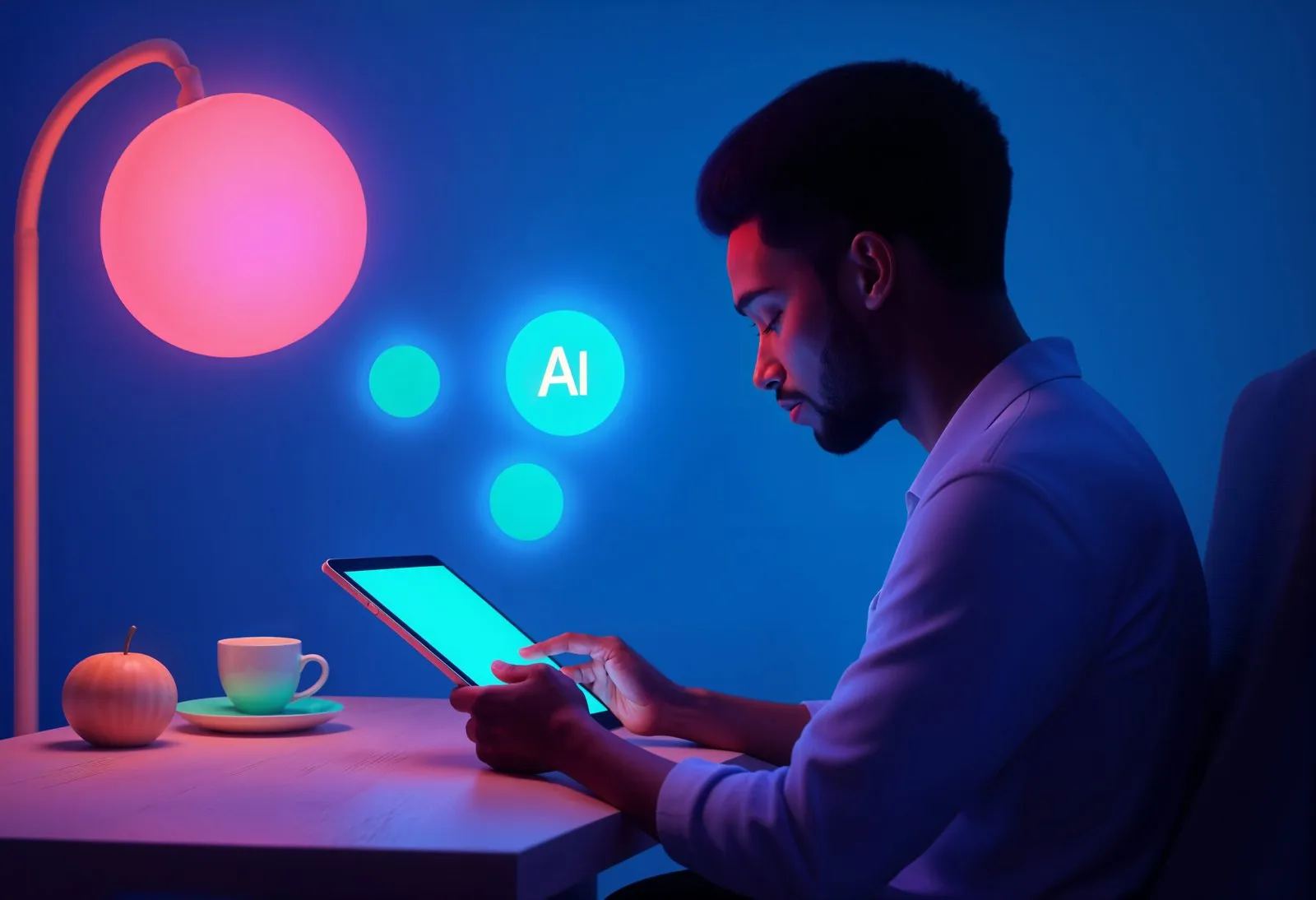
AI is a technology poised to make a huge impact in the future of gaming. AI technologies are being used by game developers for character animation, testing, development, and content production. Such technologies can help game developers get rid of monotonous work and find creative solutions effectively.
AI is also revolutionizing the way players interact with games. More advanced non-player characters can react to the behavior of the player, and adaptive technologies can adapt the game to the individual.
Dialogue and procedural content generation can also be enabled by AI, which can help create more dynamic game worlds, though this will vary based on the game’s design, technology, and implementation.
AI can provide game developers with opportunities to optimize their workflows and test out fresh mechanics.AI has potential to streamline production processes and test new mechanics for Game Development Companies. However, issues of creative control and intellectual property protection, in addition to validation of AI-generated content, continue to be important aspects that should be taken into account. The best solution will be an optimal blend of the capabilities of AI and the creativity of people.
Cloud Gaming & Cross-Platform Experiences
Cloud gaming is altering the way individuals interact with electronic amusement, enabling a similar game to be played on an off location server and transmitted to helped gadgets. Some games can be played using the player’s Internet-connected device instead of all on powerful local hardware.
This can help make gaming more accessible to those who lack high-end gaming PCs or consoles in their homes. But even with the internet still has its limitations regarding speed, latency, availability and regional infrastructure.
Gamers are now used to playing with other gamers on any gaming platform used, including consoles, computers, and smartphones. Cross-progression, cross-account, and cross-save of game data will help improve the experience even further.
Platform compatibility is a complicated task for software developers. It requires optimizing the game for different platforms and testing compatibility as well. Providing a smooth user experience on all platforms helps to keep players connected for many years.
Mobile Gaming and Handheld Gaming Devices
While the rise of mobile gaming has been evident, its impact on the gaming landscape as a whole remains noteworthy, as smartphones provide mobile convenience for interactive entertainment. Players can experience games in a casual, multiplayer, role-playing, and progressively more complex way for free without having to purchase gaming hardware.
Mobile Game Development is also getting more technically advanced. As the mobile processors, graphics power, and network connectivity improve, more work can be done to make the environment richer, characters more detailed, and interactive multiplayer more interesting.
With gamers looking for flexible solutions for playing their favorite games not just limited to their desktops or televisions, portable gaming is gaining popularity. The portable gaming computer and hybrid gaming console offer mobility and a game library, but without compromising the battery life and cost of previous-generation models.
There is an increasing trend towards portable gaming, and companies need responsive controllers, hardware independence, high graphics, and user-friendly interfaces.
VR, AR, and Immersive Games Experience
Virtual reality (VR) and augmented reality (AR) are opening up interactive entertainment scenarios. VR is about putting players in a virtual space, whereas AR is about virtual elements being combined with physical reality. Mixed reality brings aspects of both approaches together.
These technologies can enable immersive gameplay for adventure games, simulations, fitness products, educational games, and multiplayer. Better motion tracking, spatial audio, and interactive controls are now assisting developers in creating more immersive experiences.
However, while VR and AR have great potential, so far they do come with some challenges like the cost of hardware, comfort, availability, and interesting content. Creating immersive experiences must not be based on the novelty of the visuals, but on meaningful gameplay as well.
With the rapid development of technology both in hardware and software, immersive experiences may just be the entry point for Game Studios to explore Game Mechanics and interactive storytelling.
Gaming Communities, Esports, and Content Creation
Gaming has become a major social phenomenon in its own right, with multiplayer competitions, gaming forums, streaming services, and even content created by gamers themselves among the factors that unite gamers. Many gamers discover new games through gameplay videos, live streams, game reviews, and game personalities’ recommendations.
Another important factor that is increasingly becoming a big part of the world of competitive gaming is esports. There are plenty of chances not only to play but to compete and watch competitions other than casual gaming.
The content creators have an impact on whether a game becomes popular or not. A fun moment during the game, a favorite livestream, or a community competition can bring a game to the masses. It simply implies that, over time, games have been created in such a way that there will be a lot of involvement from the community and more chances of having fun together.
In order to create a good gaming community, there should be much more than just attracting gamers to the game. Developers must ensure there is fairness, moderation, regular updates, and healthy interaction. A good gaming community can ensure that the game lives long enough.
New Gaming Business Models and Monetization Strategies
The commercial aspect of games is changing as technology and player expectations change. There are various methods that permit developers and publishers to make revenue: free-to-play games, subscriptions, DLCs, cosmetics, and seasonal updates.
Subscription services enable players to have access to selected Game Engine libraries for recurring charges. These services can help with game discovery, but their usefulness over the long term will vary according to the games available, the cost, and the preferences of players.
Free-to-play games have cosmetics, battle passes, and even some purchase options to maintain the game. On the other hand, developers need to ensure the experience of the players and the monetization of the app simultaneously. The cost-to-win ratio or over-optimization may affect trust and engagement.
User-generated content, or UGC, is another recent trend associated with the creation of the community. Games in which users can create their maps, characters, experiences, or mods can be quite helpful. Even some game platforms provide ways for creators to earn from their activity.
Monetization strategies involve delivering long-term benefits to the player in a transparent way and taking into account the time and effort invested by the player.
The Future of Gaming: Trends to Come Beyond 2026
From the perspective of the gaming industry’s growth, the future is promising for the implementation of AI, cloud computing, and other technologies, as well as community-oriented development. AI-powered software may assist in certain production activities, testing complex systems, and experimenting with more responsive gameplay inside studios.
More diverse experiences may be possible with procedural generation and adaptive storytelling, and larger and more connected virtual worlds may be supported by enhancements to networking. Technical advances, production costs, and the level of players’ engagement with the resulting events and experiences will be key to these developments.
And so it goes for accessibility, too. It is possible to create accessible games with customized controls, readable interfaces, subtitles, adjustable difficulty levels, and other useful features. Data privacy, cybersecurity, online bullying, and responsible AI usage will be among the other challenges developers will have to take into consideration.
Sustainability and efficiency in the creation of games may become another question, as games require more resources for their creation, from hardware to servers and large-scale online services. It would be easier for studios to cope with changes if they manage to strike a balance between performance, creativity, accessibility, and ethical creation of games.
Conclusion
Trends in Gaming for 2026 will lead us into a future of connected, immersive, intelligent, and accessible gaming. The way games are created and consumed in the cloud, on mobile devices, virtual reality and augmented reality, in esports, and with changing Monetization Models is influenced by AI.
It is important to understand the players’ needs and pick the most appropriate technologies to provide gamers with an engaging experience on different platforms.
These trends present new opportunities for players to connect, compete, create, and explore digital worlds.
If you’re a game developer, a business owner, a gaming enthusiast, or a tech expert, you can benefit by following these gaming industry trends to help you know what it’s going to be like in the near future. The future of the gaming industry will not be dictated by technology; on the contrary, it will be based on how developers will utilize technology as creatively and responsibly as possible to ensure that gamers return.
Frequently Asked Questions (FAQs)
1. What are the current trends in the gaming industry for 2026?
Ans: Some of the popular gaming trends include Artificial Intelligence Game Development, Cloud Gaming, Cross-platform Gaming, VR/AR Gaming, Mobile Gaming, Esports, and User-generated Content.
2. How can the gaming industry benefit from the use of AI technology?
Ans: Using AI in game development is important for better testing, content generation, and better AI behavior of non-player characters, and much more.
3. What will be the future of cloud gaming?
Ans: Cloud gaming will allow users to have access to games even without having powerful devices locally, as users can stream their games.
4. State the Significance of cross-platform gaming.
Ans: Cross-platform gaming enables compatible gamers to interact with each other by making them play games.
5. What are the market dynamics of mobile games in 2026?
Ans: Mobile gaming is still a significant component of the gaming sector, providing enjoyable, competitive, and advanced gaming experiences in a hassle-free way.